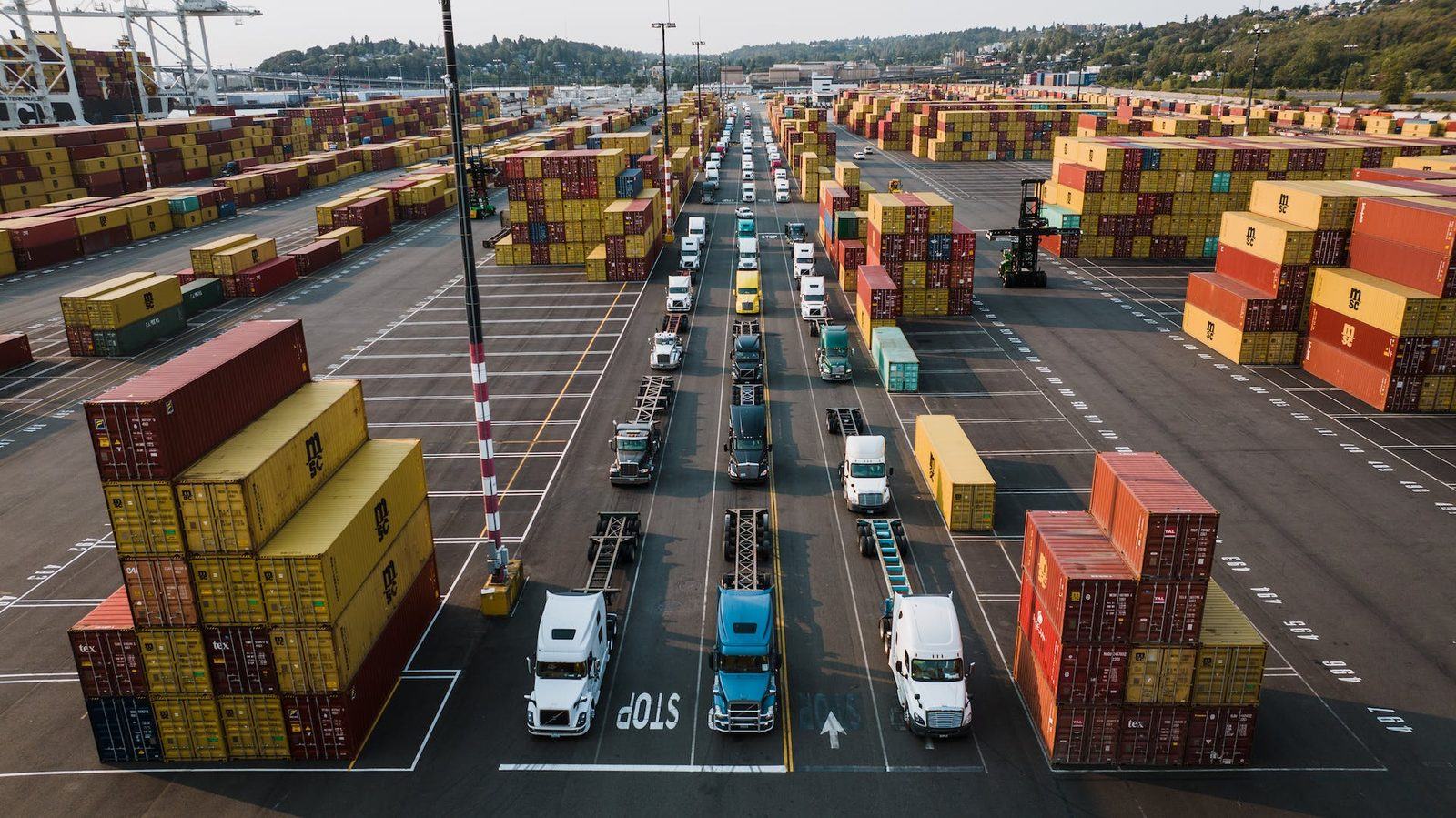

A container that sails half empty burns the same fuel as a full one. That single fact is why consolidation is the most effective environmental decision most importers can make, and why it is also the cheapest.
Three interventions that pay for themselves
- Consolidate. Sharing a container turns two half-loads into one sailing. Fewer containers, fewer port moves, lower cost per cubic metre.
- Plan the load. Poorly stacked cargo wastes volume and damages goods. A load plan that fills the box properly is free to produce and recovers space you already paid for.
- Cut empty kilometres. A truck that runs loaded in both directions costs less per tonne than two one-way trips. Scheduling backloads is an operations discipline, not a technology purchase.
Where certification fits
Our integrated management system covers environmental procedure alongside quality and safety. That means waste segregation, fuel and mileage recording and incident reporting are audited in the same cycle as the rest of the operation, not bolted on for a brochure.
Efficiency is the only environmental policy that survives a tight margin.
The honest caveat
Ocean freight will not become low-carbon because one forwarder consolidates better. What a forwarder can do is stop wasting capacity, report accurately, and give clients the data to make their own choices. That is a smaller claim than most sustainability pages make, and a more useful one.